
Decoding the Future: AI's Impact on Industries
Artificial Intelligence is no longer a futuristic concept — it’s a present-day force reshaping how companies operate, compete, and create value. From optimizing supply chains to enabling personalized healthcare, AI is actively decoding the future of industry. At Neuravolt Technology, we partner with organizations to translate AI potential into measurable outcomes.
Key Industries Transformed by AI
AI’s influence spans sectors. Here are the areas seeing the largest transformations:
- Healthcare — AI-driven diagnostics, medical image analysis, drug discovery, and personalized treatment plans that improve outcomes and reduce costs.
- Finance — real-time risk scoring, automated fraud detection, customer segmentation, and algorithmic trading that boost accuracy and efficiency.
- Retail — demand forecasting, dynamic pricing, personalized recommendations, and computer-vision-powered checkout systems that elevate the customer experience.
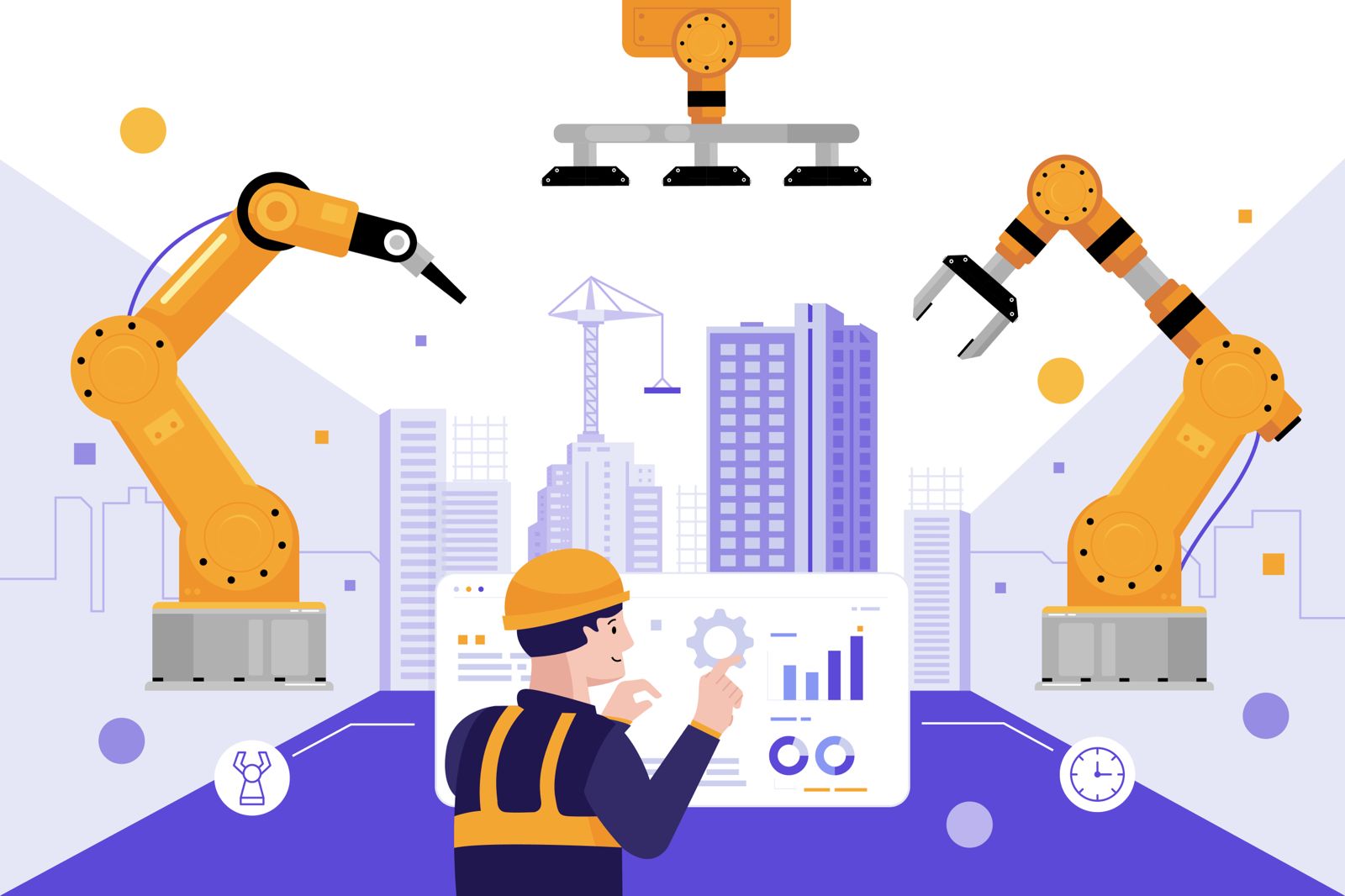
- Manufacturing — predictive maintenance, quality inspection with computer vision, and collaborative robots that increase uptime and safety.
- Transportation & Logistics — intelligent routing, autonomous vehicles, and fleet telematics that reduce costs and accelerate delivery.
How AI is Shaping the Future
Beyond automation, AI is changing how decisions are made. Predictive analytics and prescriptive models help leaders prioritize investments, identify new revenue streams, and respond faster to market shifts. Advances in machine learning, NLP, and generative AI are unlocking new use cases — from synthetic data for safer model training to conversational agents that handle complex customer interactions.
Real-World Case Studies
Here are concise examples of AI in action:
- Hospital System: Reduced diagnostic turnaround by 40% using AI-assisted imaging and triage workflows.
- Retail Chain: Increased same-store revenue by 12% through targeted personalization and inventory optimization.
- Manufacturer: Cut unplanned downtime by 60% with predictive maintenance models and sensor analytics.
Challenges & Practical Considerations
While opportunities are vast, implementing AI carries challenges: data quality and availability, integration with legacy systems, talent gaps, regulatory compliance, and ethical concerns around bias and transparency. Successful projects balance ambition with pragmatism — starting small with high-impact pilots and scaling proven solutions across the organization.
Implementation Roadmap
A robust approach increases the likelihood of success. Typical phases include:
- Discovery: Identify use cases, measure impact, and assess data readiness.
- Prototype: Build lightweight models or MVPs to validate assumptions quickly.
- Integrate: Connect models to production systems, ensuring scalability and monitoring.
- Govern: Apply ethical, security, and compliance controls.
- Scale: Automate deployment pipelines, retraining, and cross-team adoption.
Data, Ethics & Governance
Data is the backbone of AI. Responsible data practices — anonymization, provenance tracking, and bias audits — are essential. Governance frameworks that include model cards, explainability tools, and human-in-the-loop reviews help maintain trust and legal compliance as AI systems become mission-critical.
Neuravolt’s Role in Industrial AI
Neuravolt Technology helps organizations move from pilots to production. Our services include bespoke model development, MLOps pipelines, systems integration, and ethical AI reviews. We focus on delivering measurable business impact while ensuring safety and transparency.
Transform Your Industry with AI
Work with Neuravolt Technology to implement industry-specific AI solutions that enhance productivity, resilience, and growth. Tell us about your challenge — we’ll map an AI plan that fits your goals.
⚡ Get AI ConsultationFrequently Asked Questions
- Q: Which industries are most impacted by AI?
A: Healthcare, finance, manufacturing, retail, and transportation are experiencing the biggest AI-driven changes. - Q: How does AI improve efficiency?
A: AI reduces human error, automates repetitive tasks, and provides data-driven insights that enable faster and better decisions. - Q: Can small businesses adopt AI?
A: Yes. With cloud services, pre-trained models, and targeted pilots, small and medium enterprises can adopt AI affordably. - Q: How do we address bias and ethics?
A: Implement bias testing, maintain diverse datasets, use explainability tools, and set up governance processes with human oversight.



Leave a Comment
📝 Recent Comments